Yo! Can Old Pups Learn Crate Vibes?
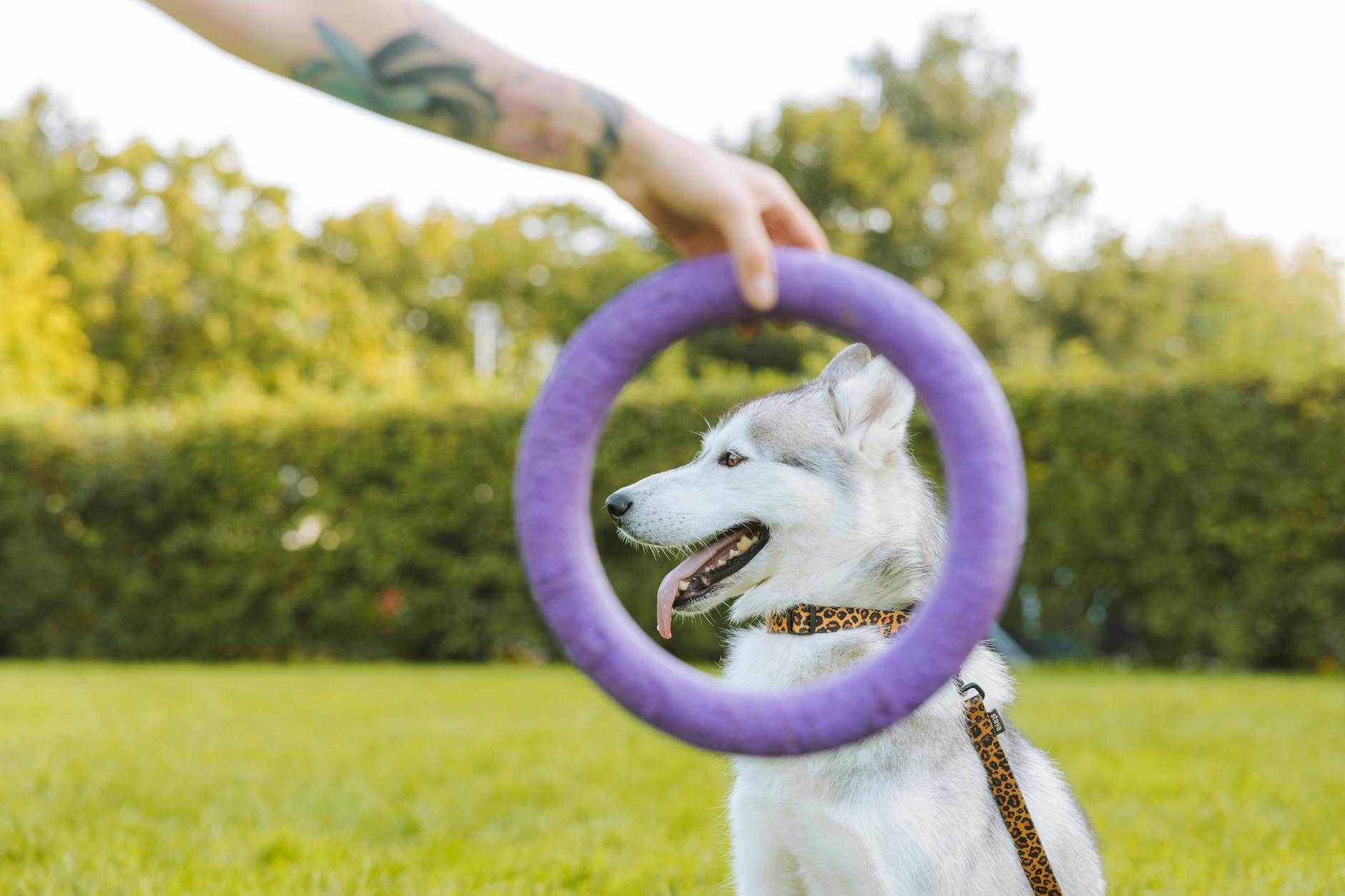
Ah, the age-old question pet parents everywhere ponder: Can an old dog learn new tricks? And by that, we mean, can your senior tailwagger learn to love the coziness of a crate? The answer, my fellow dog enthusiasts, is a resounding wag of the tail! Life doesn't come with a pause button, but it does offer a rewind every now and then, especially when it comes to crate training. So buckle up for a journey to unleash the crate potential in your gray-nosed companion with our expert crate vibes guide.
Benefits of Crate Training for Senior Dogs
Before we dive into the 'how-to', let's talk about the 'why'. Crate training isn't just for the youngins'. Older dogs can find a crate to be a safe haven, a personal zen den that offers:
- Security: As dogs age, they often seek out small, enclosed spaces that feel secure.
- Safety: A well-trained crate pup can prevent potential accidents at home or during travel.
- Sanctuary: A crate acts as a personal retreat for your pooch to unwind and relax without any stressors.
- Simplicity: A crate can simplify managing your dog's environment, especially if it has mobility issues or medical needs.
Understanding the Old Pup Perspective
Now, let’s get into the headspace of your venerable canine. Old dogs may initially be resistant to crate training because of:
- Habit: They're not used to confinement and may associate it with a lack of freedom.
- Health: Joint aches or incontinence could make them uncomfortable in a crate.
- Hesitation: Fear of the unfamiliar or past negative experiences might make them wary.
But fret not! With patience and the right approach, you can turn that hesitation into habituation.
The Doggo Crate Training Guide
Step 1: Choosing the Right Crate
Size matters, and comfort is king. Pick a crate that's large enough for your dog to stand, turn around, and lie down comfortably. Consider one with multiple doors for easier access and a soft bed for those aging joints.
Step 2: Introducing the Crate
Put the crate in your living area and keep the door open. Let your pup sniff around. Toss in some treats or their favorite toy to make it enticing. Always speak in a cheerful tone to associate positivity with the crate.
Step 3: Meal Times Equal Crate Times
Start feeding your dog their meals in the crate. Begin with the door open, then progress to closing the door during meal times. This helps them associate the crate with yummy goodness.
Step 4: Gradual Goodbyes
Begin practicing short, timed stays in the crate while you're at home. As your dog becomes more comfortable, extend the time.
Step 5: Comfy Sleepy Crate
Encourage naps and nighttime sleep in the crate. Start with the crate in your bedroom, then slowly move it to your preferred location once your dog is sleeping comfortably through the night.
Step 6: Crate While Away
Once your dog is comfortable sleeping in the crate, you can begin to use it when you leave the house. Start with short absences to build up their tolerance.
Patience Is a Virtue
Remember, your senior pooch might take a little longer to get used to new habits. Be patient and consistent. Praise often, and keep those vibes positive. Small treats and favorite toys can work wonders as motivational tools.
In the Doghouse? More like in the Zen Den!
There you have it! The secrets to unlocking the crate vibes for your venerable pet. Senior dogs may have a few more gray whiskers, but with our guide, they'll soon be crate training like they're back in their spry puppy days. Keep the training consistent and adaptive to your old friend's pace, and you'll both find joy in this new chapter of comfy, cozy, crate vibes.
Crates aren't just a training tool; they're a lifestyle choice brimming with tail-wagging possibilities. So go on, give your old pup the crate vibes they didn't even know they needed, and watch them curl up and settle down into their new favorite corner of the world.
Because, hey, you can't teach an old dog new tricks... unless you're speaking 'crate'!